Playground AI

Overview of Playground AI
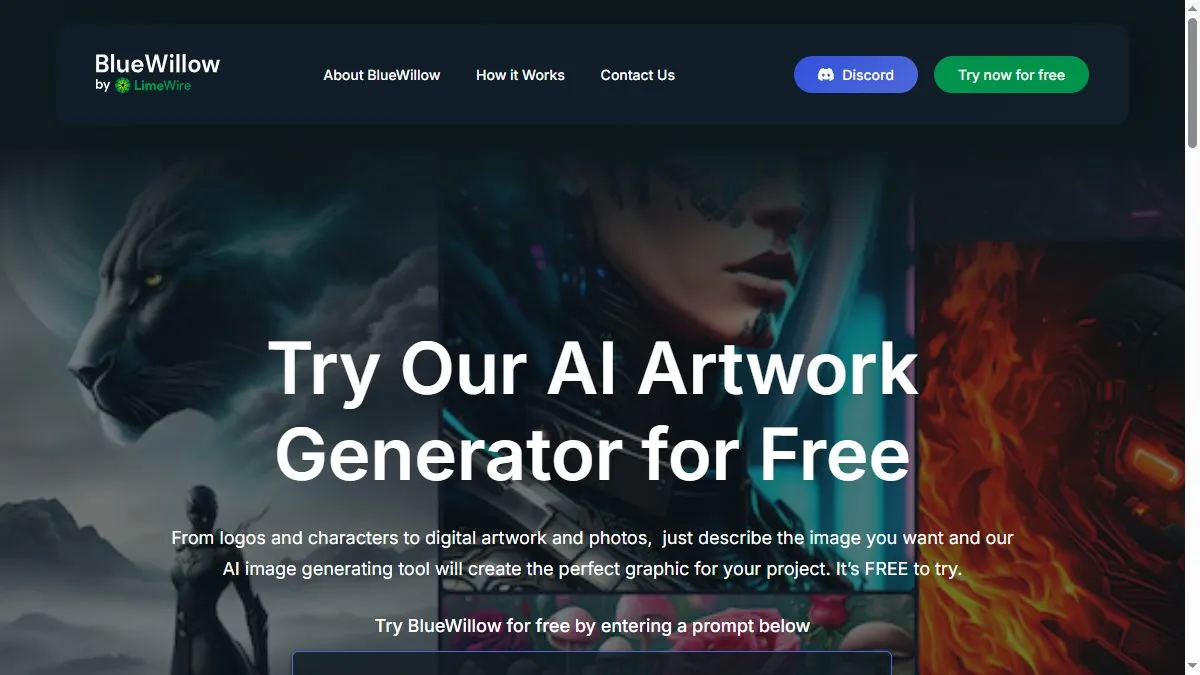
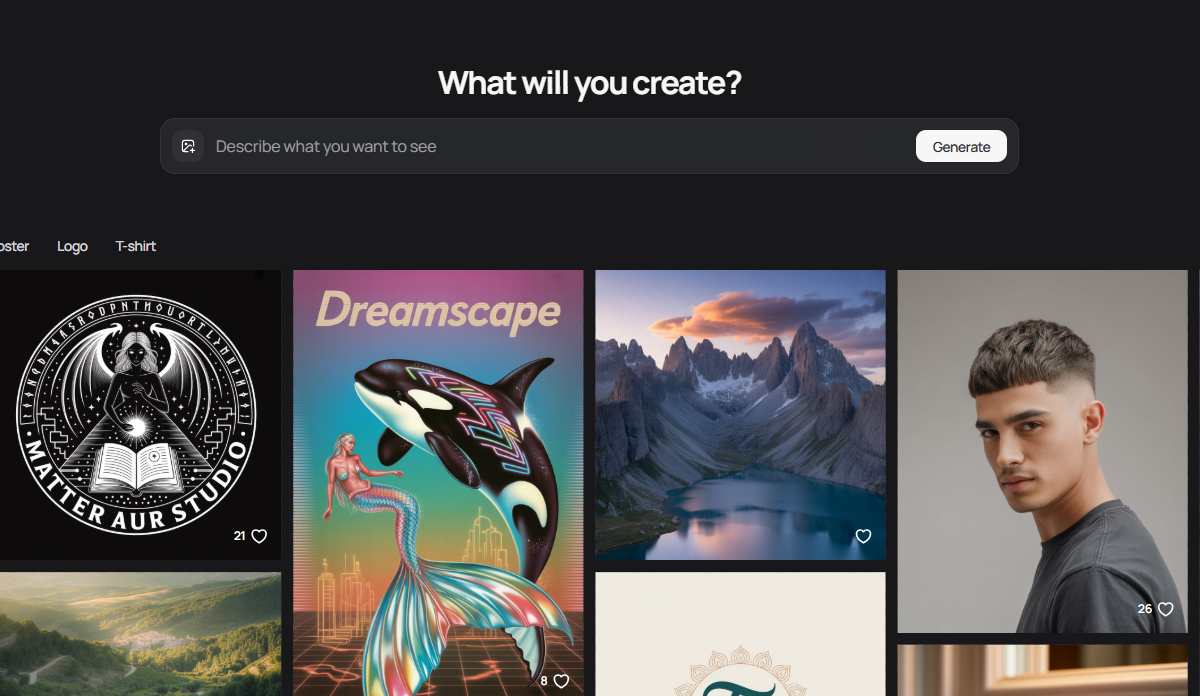
Playground has evolved from a prompt-only generator into a broader design surface. You can start from a blank prompt or a pre-designed template, then use in-app editing tools to mask, erase, replace, expand borders, and blend elements until the composition works. Tutorials highlight inpainting/outpainting and object removal for clean product shots and composites, while third-party reviews and app listings note a growing focus on ease of use and mobile access. The result is a tool that suits non-designers who want quick edits as much as creators building layered visuals—bridging the gap between pure generators and heavyweight editors.
How to use Playground AI
Create an account (or install the mobile app), open a new project, and write a specific prompt with subject, style, and lighting; generate multiple variants and pick the strongest base. Use inpainting to fix problem areas, the object eraser to remove distractions, and outpainting/expand to adjust framing. If speed matters, save a few favorite filters and prompt templates you can reuse across campaigns. Export finished assets directly or move them into your usual design stack for typography and layout. Beginners can learn quickly by following recent ‘Playground V3’ tutorial videos that demonstrate step-by-step edits and prompt phrasing for consistent results.
What is Playground AI
Playground AI is best thought of as an approachable, browser-first studio that merges generative models with practical editing so you can go from a rough idea to a production-ready image without leaving the app. It won’t replace advanced compositing or 3D, but for marketing visuals, product mockups, and social graphics, the prompt-generate-edit-export loop is quick, teachable, and portable to mobile—useful for teams that value speed and reasonable control over every frame.
Video about Playground AI
Playground AI Trends
Reviews
Remix for sharper edges
Duplicate the best image and push guidance a little. Edges improve without plastic skin. Steps under forty is the sweet spot.
Remix beats reroll
Duplicate the best image and nudge guidance up. Edges get crisp without plastic skin. Steps under forty work best.
Small mask edits
Paint only the problem area and give a one or two word prompt. Saves credits and avoids weird changes elsewhere.
Small mask edits only
Paint the problem area and give a one word prompt. Saves credits and avoids new artifacts elsewhere.
Lens hints sell depth
Style preset plus 35mm f2 soft light reads more real. Mention low ISO if it adds noise.