ChatGPT
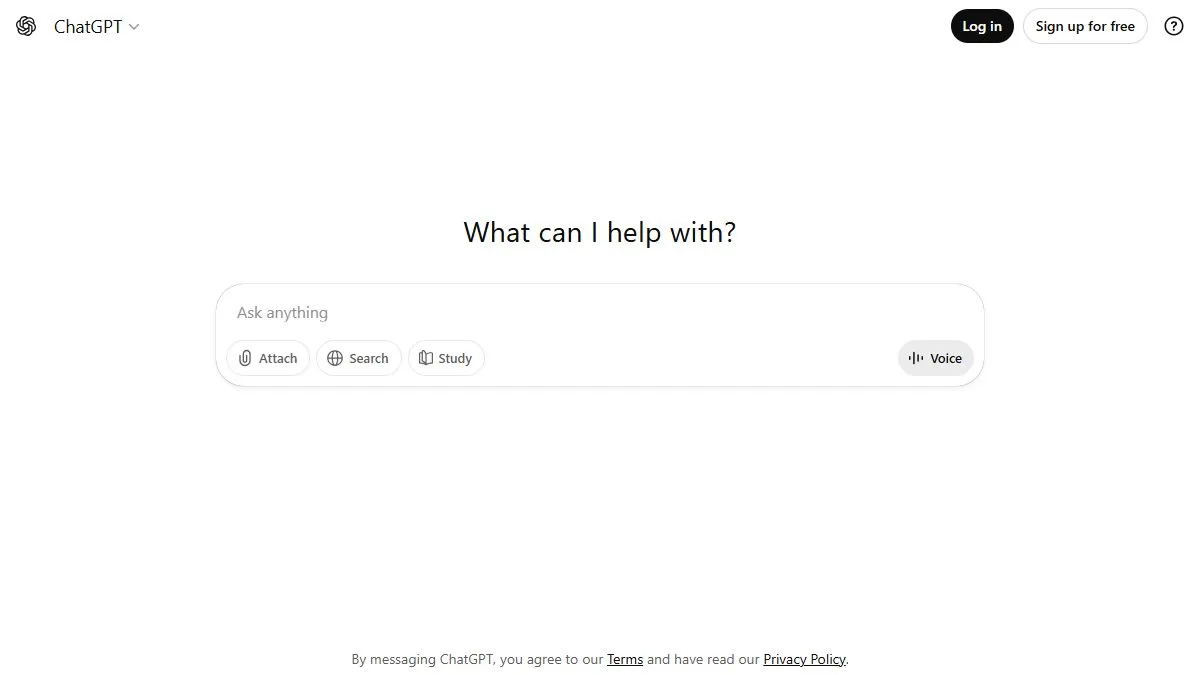
Overview of ChatGPT
ChatGPT uses deep learning (transformer architecture) trained on vast text datasets to predict and generate natural language responses. It supports plugins, file uploads, code execution, and multimodal understanding (text + image). Businesses integrate it into workflows for writing, analysis, and automation, while individuals use it for study, brainstorming, and daily productivity. ChatGPT’s interface is designed to feel like a natural conversation—each response adapts to context, memory, and tone. The newest versions (like GPT-5) combine reasoning with creative fluency, enabling real-time assistance and accurate domain knowledge.
How to use ChatGPT
Visit chat.openai.com or use the desktop/mobile app. Type a prompt or question, and refine results through conversation. Upload files for analysis or image interpretation if supported. Save chats, enable custom instructions for personalization, or connect via API for automation. Developers can embed it into websites or apps using OpenAI’s API endpoints.
What is ChatGPT
ChatGPT is a universal AI companion for work and creativity. It merges search, reasoning, and generation into one conversational interface, redefining how people learn, build, and communicate.
Video about ChatGPT
ChatGPT Trends
Reviews
Drafts that do not need babysitting
I paste messy notes and ask for a clean brief. It nails the structure and tone more often than not.
Code reviews in plain English
Good at spotting edge cases and offering safer patterns. I still test, but it saves time.
Brainstorm without the fluff
Give constraints and it generates workable options, not just buzzwords.
Great for first passes
I never ship raw, but as a starting point it is a machine. Cuts the blank page pain.